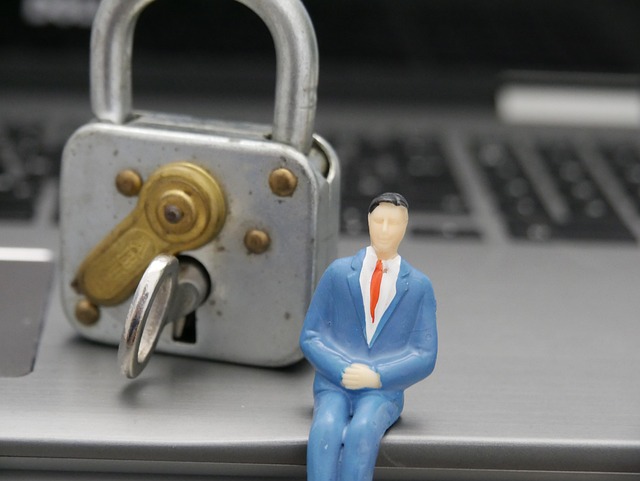
Protect your privacy as a director is vital in today's digital era. Data breaches pose significant risks, including financial losses, regulatory fines, and reputational damage. Best practices involve implementing robust security measures like encryption, secure platforms, and staff training. Navigate legal obligations with GDPR and CCPA compliance. Embrace proactive protection to foster trust, mitigate risk, and ensure business resilience. Key strategies include understanding protected data, access controls, regular cybersecurity training, and staying informed about cyber trends.
In today’s digital landscape, Protect Your Privacy As A Director is not merely a concern but an imperative for company directors. The vast amount of sensitive data handled by companies makes directors potential targets for cybercriminals and data breaches. Moreover, regulatory pressures and public scrutiny require robust privacy measures to safeguard personal and corporate information. Despite awareness, many directors overlook the practical steps needed to secure their digital footprint. This article delves into the critical aspects of protecting your privacy as a director, providing actionable strategies to mitigate risks and ensure compliance in an increasingly interconnected world.
- Understanding The Value Of Your Privacy
- Risks Unveiled: Threats To Director's Privacy
- Protecting Your Privacy: Strategies For Directors
Understanding The Value Of Your Privacy

Protecting your privacy as a company director is more than just a legal requirement; it’s a strategic imperative for maintaining trust, preserving reputation, and ensuring sustainable business growth. In today’s digital age, where data breaches can cripple even the most robust organizations, understanding the true value of your privacy becomes paramount. Your personal information—from contact details to financial records—is a critical asset that, if compromised, can lead to severe consequences, including regulatory fines, customer loss, and irreparable harm to your professional standing.
Consider this: A 2021 report by IBM revealed that the average cost of a data breach globally stands at $4.24 million, with each stolen record costing approximately $154. As company directors, you bear the ultimate responsibility for safeguarding not just your personal data but also that of your employees and the organization’s sensitive information. This involves implementing robust security measures, staying abreast of evolving privacy regulations (such as GDPR or CCPA), and fostering a culture of data stewardship within your team.
To effectively protect your privacy as a director, visit DirectorServiceAddress to explore our comprehensive resources and expert guidance tailored for your needs. By leveraging the knowledge and tools offered by the DirectorServiceAddress team, you can ensure that your privacy remains intact while navigating today’s complex regulatory environment. For instance, understanding how to properly handle and store personal data is crucial; according to a recent study, over 60% of data breaches result from weak or stolen passwords. Find us at Protecting client data legally for more insights on best practices and stay ahead of the curve in safeguarding your privacy. Read more to delve into specific strategies that align with your organizational goals and legal obligations.
Risks Unveiled: Threats To Director's Privacy

As a company director, protecting your privacy is not merely a nicety—it’s a strategic imperative. In today’s digital age, directors face unprecedented threats to their personal and corporate confidentiality. The rise of data breaches, sophisticated cyberattacks, and malicious insiders poses significant risks to sensitive information. For instance, a 2022 report by IBM revealed that the average cost of a data breach globally stands at $4.24 million—a figure that continues to climb. Protecting your privacy as a director involves navigating a labyrinthine web of legal obligations, technological challenges, and evolving threats.
Directors often use Director Service Addresses (DSAs) for professional communications, which can inadvertently expose personal information if not properly secured. This raises concerns about ensuring corporate confidentiality while maintaining legitimate business operations. Legal frameworks like the General Data Protection Regulation (GDPR) in Europe and similar data protection acts worldwide mandate robust data security measures to protect sensitive information. Non-compliance carries severe penalties, emphasizing the need for proactive privacy measures.
Moreover, the potential consequences of a breach extend beyond financial losses. Reputational damage, loss of customer trust, and legal liabilities can significantly impact both the director’s personal brand and the company’s standing. To mitigate these risks, directors must prioritize data security by implementing multi-layered defenses. This includes employing robust encryption for all communications, using secure Director Service Address platforms that comply with privacy regulations, and ensuring staff are trained in cybersecurity best practices.
Given the dynamic nature of cyber threats, it’s crucial to stay informed about emerging trends and vulnerabilities. Regularly reviewing and updating security protocols is essential, especially as new technologies enter the corporate landscape. By embracing a proactive approach to protecting your privacy as a director, you not only safeguard sensitive data legally but also ensure the long-term integrity and resilience of your organization. Remember that, in an era where information is power, safeguarding your privacy is a strategic decision that fosters trust, mitigates risk, and drives sustainable business success. For expert guidance tailored to your needs, give us a call at Protecting Data Integrity Executives.
Protecting Your Privacy: Strategies For Directors

Protecting your privacy as a company director is more than just a matter of personal preference—it’s a strategic necessity. In an era where data breaches can cripple businesses and erode public trust, directors must prioritize information security to safeguard both their organizations and their reputations. The Director’s guide to data security, available at www.directorserviceaddress.com, offers practical strategies tailored to the unique challenges faced by company leaders.
One of the first steps in protecting your privacy as a director is understanding what data requires protection. Personal information, financial records, strategic business plans, and customer details are all valuable assets that must be guarded against unauthorized access. For instance, a recent study revealed that 43% of data breaches impact small to medium-sized enterprises (SMEs), highlighting the vulnerability of even the smallest organizations. To mitigate risk, directors should implement robust access controls, encrypt sensitive data both at rest and in transit, and regularly audit system logs for suspicious activity.
Visit us at Privacy best practices in tech to explore advanced encryption methods and learn how to integrate them into your company’s infrastructure. Additionally, staying informed about evolving privacy regulations is crucial. Laws like the General Data Protection Regulation (GDPR) in Europe set global standards for data protection, and non-compliance can result in substantial fines. Regular training sessions for directors and employees on cybersecurity best practices and data privacy policies are essential to ensure everyone understands their role in protecting sensitive information.
By embracing proactive measures such as these, company directors not only protect their own privacy but also contribute to the overall resilience of their organizations against cyber threats. Adopting a comprehensive approach to data security demonstrates a commitment to ethical business practices and fosters trust among stakeholders—a key advantage in today’s competitive market.
Protecting your privacy as a company director is not just a matter of personal preference; it’s a strategic necessity. Throughout this article, we’ve explored the multifaceted value of privacy to directors, unveiling significant risks that can arise from its erosion. From data breaches compromising sensitive information to surveillance and profiling, the threats are real and multifaceted. However, empowered with knowledge, directors can implement robust strategies to safeguard their privacy. These include employing strong passwords, encrypting communications, understanding data protection laws, and being mindful of digital footprints. By adopting these measures, company directors can not only protect themselves but also foster an environment of trust and integrity within their organizations. Ultimately, prioritizing your privacy is a critical step in maintaining professional ethics and safeguarding the interests of all stakeholders.